
Automotive
Texture, grain direction and gloss level - precisely coordinated
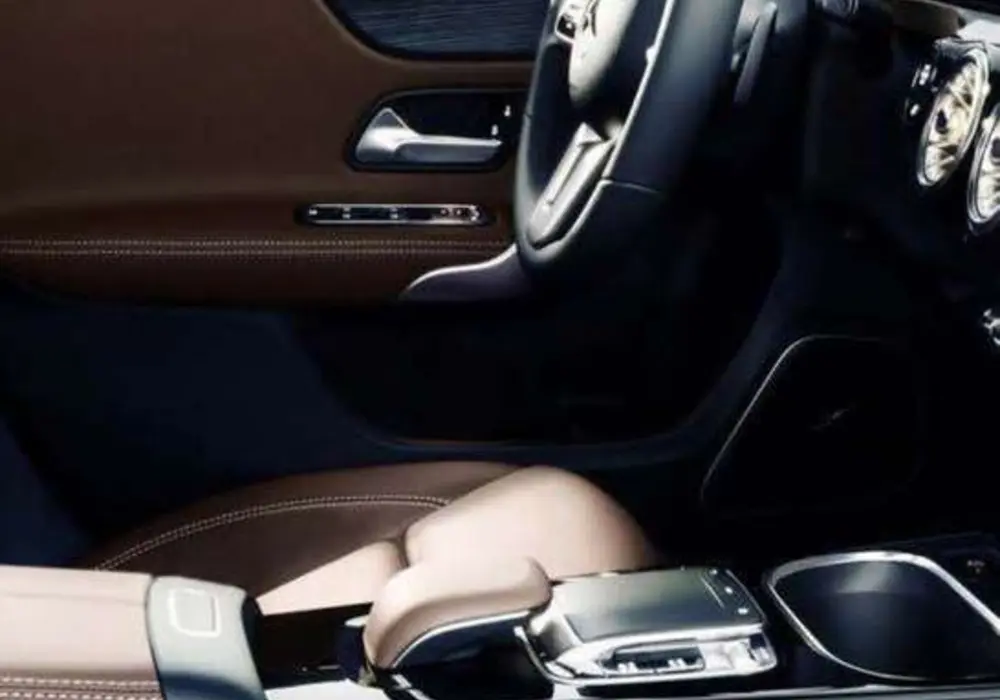
In vehicle interiors, small details often shape the overall impression. The surface finish must work not only on each individual component, but also create a consistent appearance across adjacent parts.
NOVA Surface supports automotive projects from technical coordination and design development through to mold surface finishing and final quality inspection.
Requirements
Mold surfaces for visible and functional components
Typical applications range from instrument panels, center consoles and door trim panels to controls, covers and other exposed plastic surfaces. Depending on the component, the key requirement may be a decorative grain pattern, a specified gloss level, a fine technical texture or a consistent appearance across multiple surfaces.
Before texturing begins, we assess how the specified texture can be applied across radii, free-form surfaces, parting lines and transitions. We consider the mold geometry, part-release direction, grain direction, plastic material and how the texture will appear on the finished part.
- Coordination of texture flow, grain direction and gloss level
- Geometry-specific preparation of complex visible surfaces
- Consistent appearance across multiple mold components
- Technical review and traceable approval
- Quality control against agreed specifications and reference samples
Services
Mold surface finishing processes for the automotive industry
From the initial texture concept through to localized repairs, we select and combine the appropriate processes to suit the mold, the required surface finish and the specific project requirements.
Surface Design and CAD
Texture data is developed, adapted to the mold geometry and prepared for technical approval.
Surface Design & CADChemical Etching
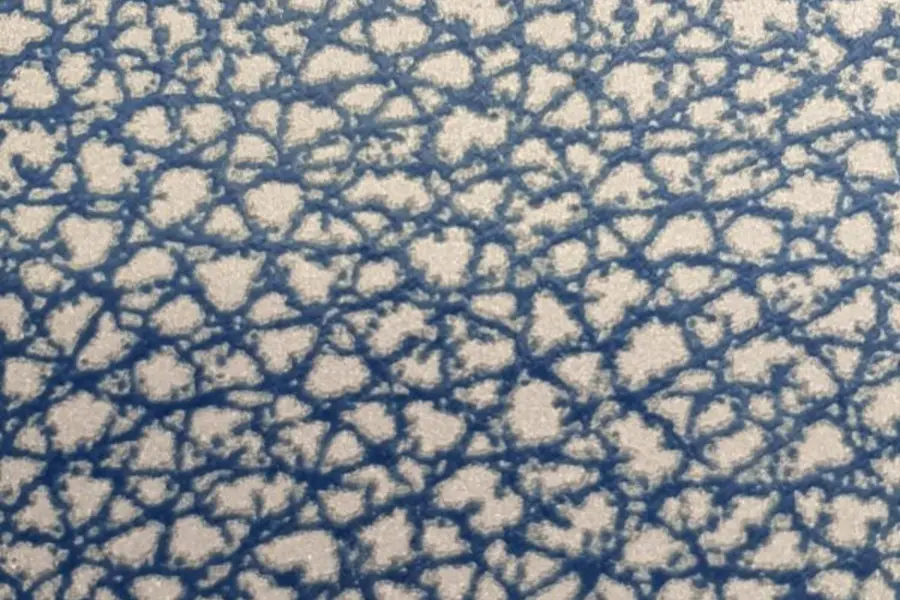
Surface preparation, masking, pattern transfer, retouching, the etching process and gloss level are all tailored to the specified surface finish.
Chemichal EtchingLaser Texturing
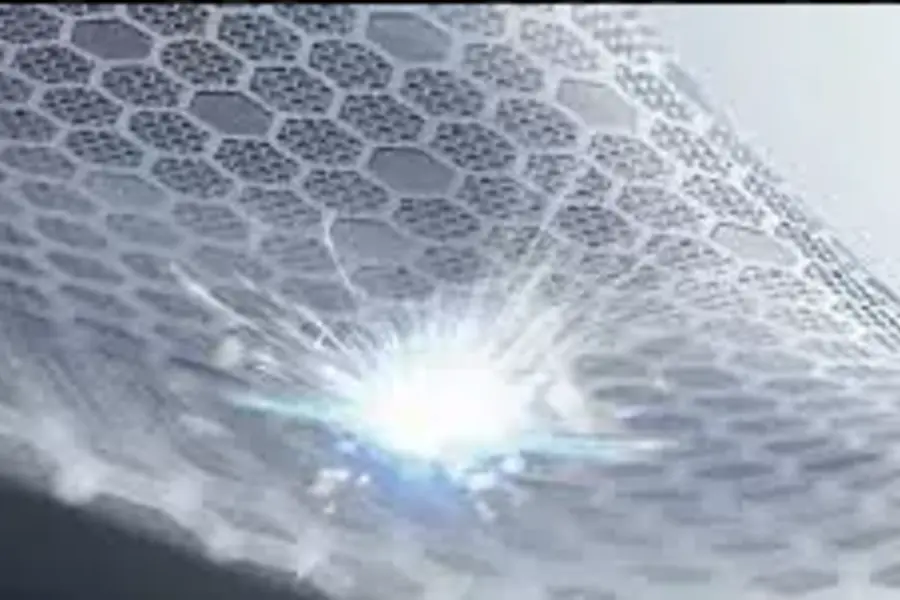
EDM and fine textures, leather and textile grain patterns, as well as complex 3D designs, are digitally mapped onto the mold surface.
Laser TexturingMold Polishing
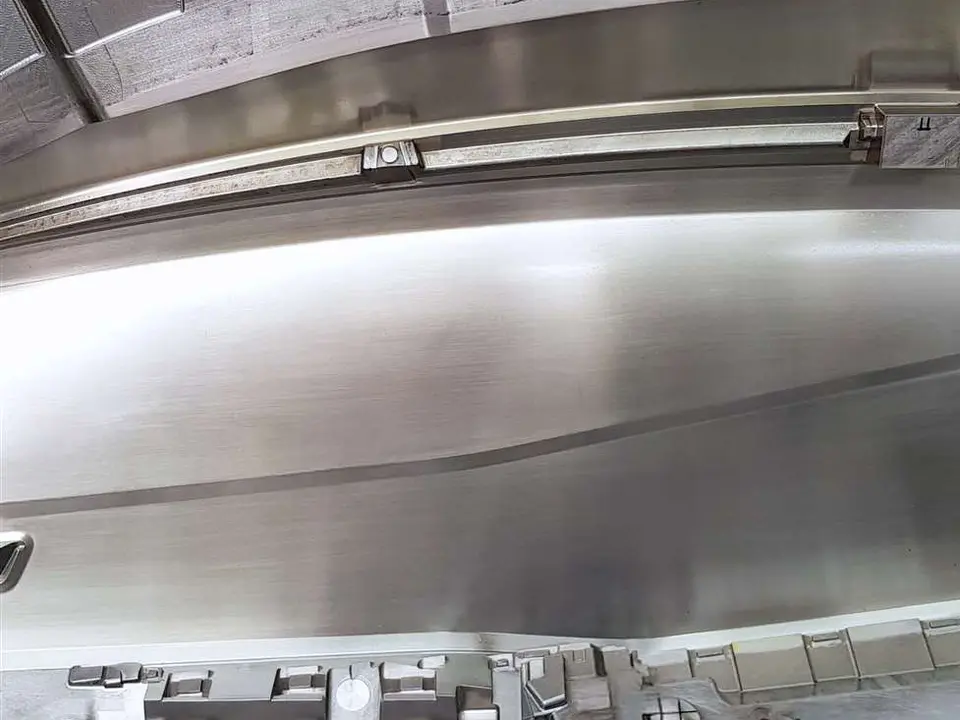
Specified surface roughness and gloss levels are achieved to suit the mold geometry, steel grade and required finish.
Mold PolishingMold Repair & Laser Welding
Damaged or worn tool areas are selectively rebuilt, reworked, and adapted to the existing contour and surface texture.
Mold Repair & Laser WeldingMobile Repair Service
For time-critical mold damage, we provide on-site support to toolmaking, maintenance and production teams following a technical assessment.
Mobile Repair ServiceEinblicke
Technologies for precisely defined mold surface finishes
OEM approvals
Check approvals for your project
For a wide range of OEM applications, we can work with approved surface textures and agreed process specifications. As requirements vary by vehicle manufacturer, model series, component and texture specification, we verify the available approvals for each individual project.
Please send us the relevant texture, reference or OEM number.
Project workflow
From surface design to quality control
- Technical assessmentThe mold geometry, surface specification and requirements for the final molded part are assessed.
- Design and coordinationTexture, grain direction, scale, transitions and gloss level are specified.
- Data preparation and approvalDesign and CAD data are reviewed and prepared for approval.
- Surface finishing and inspectionOnce processing is complete, we inspect and document the final surface finish.
International
International Support in Europe and North America
For international projects, we work within the
For international projects, we work within the Surface Technologies Network with experienced partners we have worked with for many years.
Frequently asked questions
Surface texturing for the automotive industry
What types of texture can be created for vehicle interior components?
Depending on the process, available options include technical EDM and fine textures, leather and textile grain patterns, geometric designs and other decorative and functional surface finishes. Suitability is assessed based on the mold, its geometry, the plastic material and the required surface characteristics of the molded part.
Can you verify existing OEM approvals?
Yes. Please provide the OEM, component and any available texture or reference number. We will then review the information and approvals available for your specific project.
Can damaged mold textures be repaired?
Many instances of localized mold damage can be repaired reliably and cost-effectively. Depending on the type and extent of the damage, repairs may include laser welding, reworking contours and edges, polishing, gloss adjustment and restoring the existing texture.
Project inquiry
Talk to us about your project
Planning a new mold, optimizing an existing surface or looking for support with a repair? Send us a brief description, drawings or CAD data. We will review your requirements and get back to you with an initial technical assessment.