
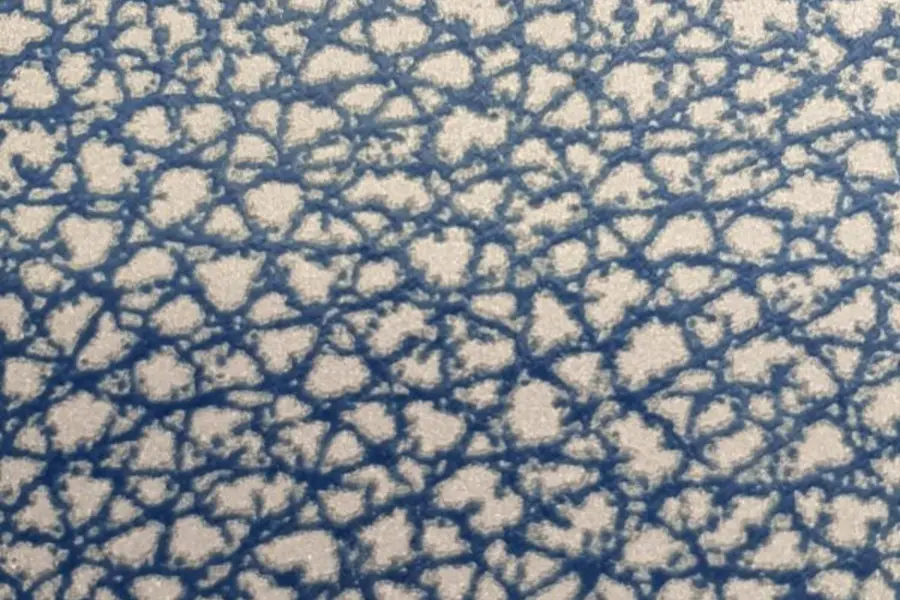
Traditional chemical etching for injection molds
Traditional chemical etching is a proven process for producing textured injection mold surfaces. The approved design is transferred to the cavity surface, and the exposed areas of the mold steel are removed through a controlled chemical process. This method is suitable for a wide range of technical and decorative textures, including molds with demanding transitions and cosmetic surfaces.
From mold preparation to a defined surface texture
- Inspection and cleaning: We inspect the cavity surface for its condition, steel grade and existing damage before carefully preparing it for processing.
- Masking: All areas that must remain untouched are securely protected.
- Pattern transfer and retouching: The texture is positioned using a carrier film and adapted to contours, parting lines and transitions.
- Etching and blasting: Controlled material removal produces the specified texture depth. Subsequent blasting helps create a uniform surface appearance.
- Gloss adjustment and quality inspection: We inspect the texture, transitions and gloss level against the approved specifications.
Prozesserfahrung für gleichmäßige Oberflächenstrukturen
A high-quality etched texture depends on the careful coordination of surface preparation, masking, retouching, process control and final inspection. Skilled manual work is particularly important around radii, parting lines, slides and converging surfaces. The NOVA Surface team brings more than 25 years of experience in mold surface technology to every project.
Before work begins, we review the design specification, texture depth, gloss level, mold condition and requirements of the final molded part. This helps identify potential risks early and ensures that the process can be planned reliably.
Technical overview
Our capabilities at a glance
- Verfahren
- Kontrollierter chemischer Materialabtrag nach Maskierung und Designübertragung.
- Geeignet für
- Technische und dekorative Narbungen, Sichtbereiche und anspruchsvolle Übergänge.
- Wichtige Projektdaten
- Werkzeugstahl, Geometrie, Strukturreferenz, Texturtiefe und gewünschter Glanzgrad.
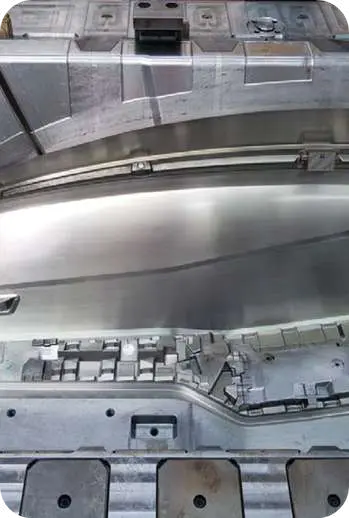
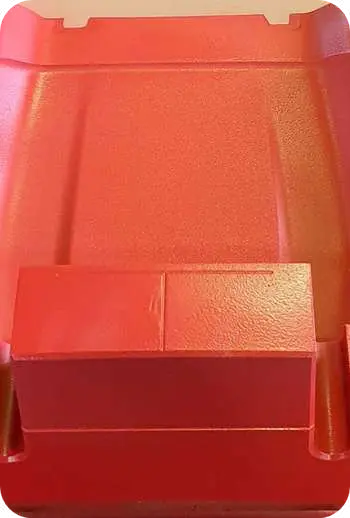
Chemical etching in practice
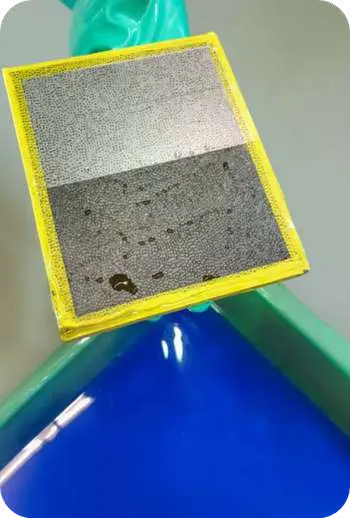
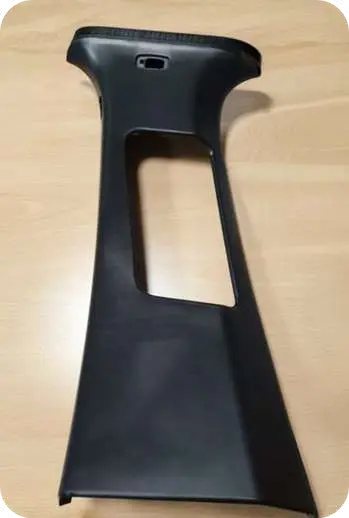
A practical look at the process - from molded-part requirements and mold inspection to controlled surface processing and final texture verification.
FREQUENTLY ASKED QUESTIONS
Fragen zur traditionellen Ätztechnik
Wie entsteht eine geätzte Werkzeugstruktur?
Nach Reinigung und Maskierung wird das Design auf die Formfläche übertragen. Der freigelegte Werkzeugstahl wird kontrolliert chemisch abgetragen, anschließend gestrahlt, geprüft und auf den vereinbarten Glanzgrad eingestellt.
Welche Angaben werden vor dem Ätzen benötigt?
Benötigt werden Angaben zu Werkzeugstahl und Geometrie, eine Struktur- oder Designreferenz sowie Vorgaben zu Texturtiefe, Übergängen und Glanzgrad.
Eignet sich Ätztechnik für komplexe Werkzeugbereiche?
Viele Radien, Teilungen, Schieber und zusammenlaufende Flächen lassen sich bearbeiten. Die konkrete Machbarkeit wird anhand des Werkzeugs und der gewünschten Narbung technisch geprüft.